
Menu
- HOME
- OUR TEAM
- DENTAL SERVICES
- SYMMETRY SMILES
- RESOURCES
- FORMS
- FINANCE PLANS
- CONTACT
- BLOG
12th Apr 2026 published by: Dr Joseph Ryan (Oral Medicine Specialist) Dr Patrick Ryan (Masters in Sleep Medicine)
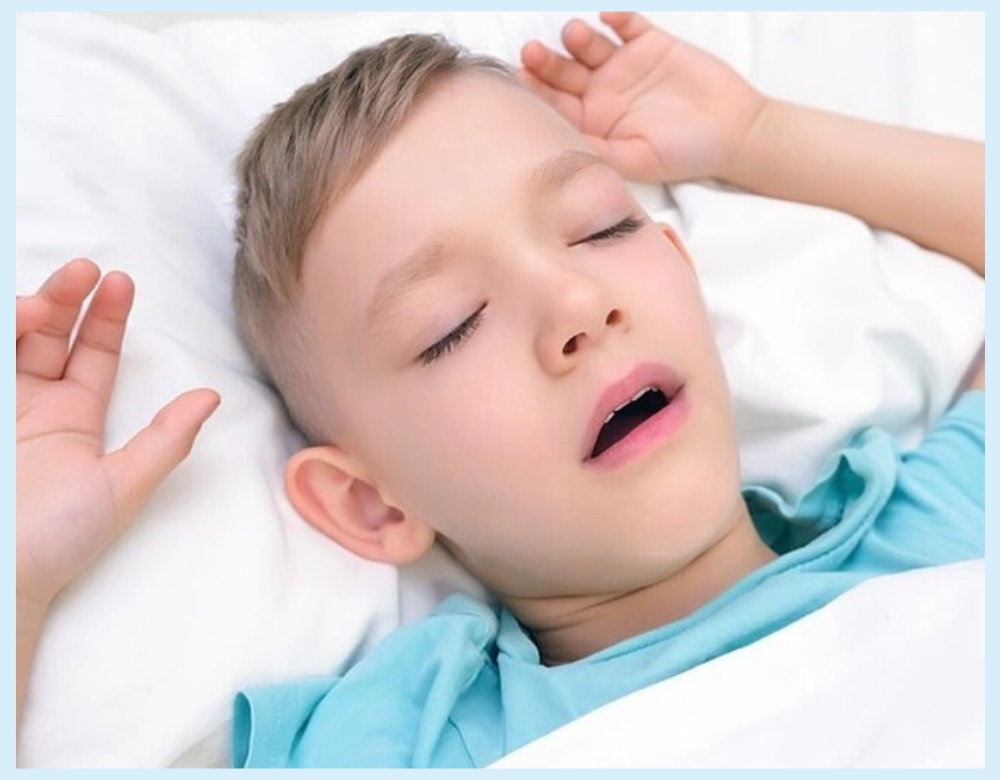
Most parents think sleep issues in children are obvious.
Loud snoring. Gasping for air. Restless nights.
But the reality is—many children with sleep and breathing problems don’t snore at all.
And those are often the ones that get missed.
Sleep isn’t just about rest. It’s when a child’s brain develops, their body grows, and their behaviour resets for the next day.
When sleep is disrupted—even subtly—it can show up as:
These are often treated as separate issues.
But many times, they’re connected by one thing:
👉 Breathing during sleep
Healthy sleep depends on one key factor: easy, quiet breathing through the nose.
If a child’s airway is narrow, or their jaw hasn’t developed optimally, they may:
And here’s the important part:
👉 This can happen without loud snoring
In many children, it comes down to how the face and jaws develop.
Common contributing factors include:
These aren’t just “dental” problems—they affect the airway, and therefore sleep.
The earlier we identify these patterns, the more we can guide healthy development.
In many cases, treatment may involve:
This isn’t about rushing into braces.
It’s about helping a child’s face, airway and breathing develop the way they were meant to.
At Symmetry Dental, we look beyond straight teeth.
We ask:
Because straight teeth don’t always mean healthy breathing.
And healthy breathing is what supports:
If your child has any of the following, it may be worth an assessment:
Even if you’re unsure—it’s worth checking.
Your child doesn’t have to snore to have a sleep problem.
And early signs are often subtle.
But when you know what to look for, you can make a meaningful difference—not just to their smile, but to their overall health and development.
If you’re concerned about your child’s sleep, breathing or development, our team at Symmetry Dental can help.
We take a comprehensive, airway-focused approach to children’s dental care—looking at the bigger picture, not just the teeth.


